How Poor Truck Seating Causes Back Injuries and Fatigue
Long haul and local truck drivers across Melbourne and Australia spend extended hours seated, often on rough roads and in stop start traffic. While engine performance and load management receive plenty of attention, truck seating is frequently overlooked. Poor quality or worn truck seats are a major contributor to back injuries, chronic pain and fatigue, directly affecting driver health, safety and productivity.
This article explains how inadequate truck seating causes physical strain, why fatigue sets in faster, and what operators and fleet managers can do to reduce injury risk.
Why Truck Drivers Are at Higher Risk of Back Injuries
Truck driving exposes the body to a combination of prolonged sitting, vibration and repetitive movement. When seating is not designed or maintained correctly, these forces place excessive stress on the spine, muscles and joints.
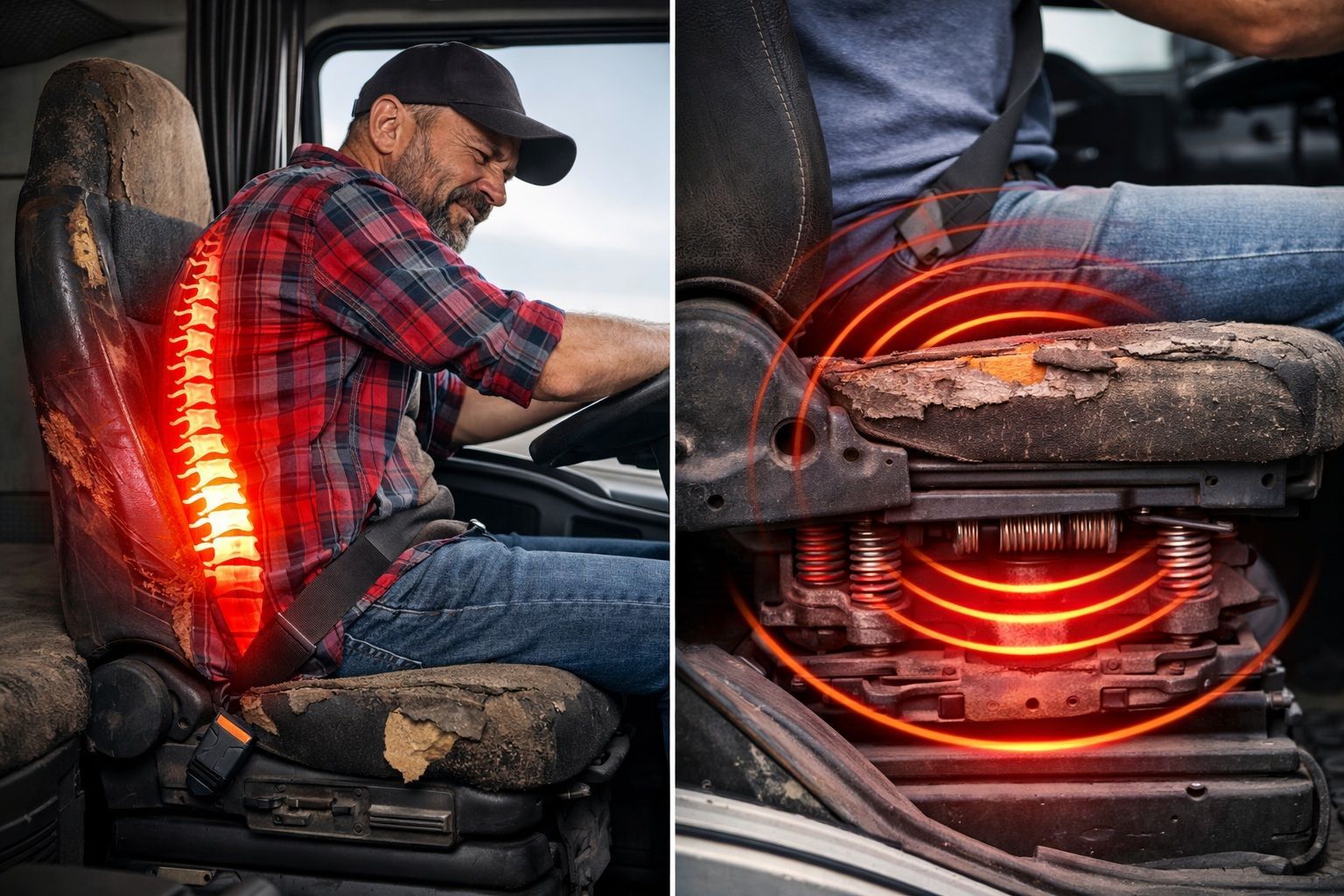
Key risk factors include poor lumbar support, inadequate suspension, incorrect seat height and worn cushioning. Over time, these issues lead to muscle fatigue, spinal compression and inflammation, particularly in the lower back.
The Impact of Poor Lumbar Support
Lumbar support is critical for maintaining the natural curve of the spine. Many factory seats or ageing aftermarket seats lose their lumbar structure over time.
Without proper support, drivers tend to slouch or lean forward, placing extra pressure on the lower back and surrounding muscles. This posture increases the risk of disc strain, sciatica and long term musculoskeletal disorders. Drivers often compensate by shifting position frequently, which increases fatigue and discomfort throughout the day.
Whole Body Vibration and Its Effect on the Spine
One of the most damaging factors in truck driving is whole body vibration. This occurs when vibrations from the road, engine and chassis travel through the seat into the driver’s body.
Seats with worn or inadequate suspension fail to absorb these vibrations effectively. Instead of being dampened, the vibration is transferred directly to the spine. Over time, this repeated loading accelerates spinal wear and tear, contributing to chronic lower back pain and early fatigue.
Whole body vibration is a recognised workplace health and safety risk and is closely linked to increased injury rates among professional drivers.
Seat Cushion Breakdown and Pressure Points
As seats age, foam cushioning compresses and loses its ability to distribute weight evenly. This creates pressure points under the hips and thighs, restricting blood flow and causing numbness or discomfort.
Poor circulation leads to muscle fatigue and stiffness, making drivers feel tired earlier in their shift. Discomfort also distracts drivers from the road, increasing the risk of errors and incidents.
Incorrect Seat Position and Adjustment Limitations
Many older or low quality seats offer limited adjustment options. If drivers cannot properly adjust seat height, tilt or distance from pedals and steering wheel, they are forced into awkward positions.
Incorrect seat positioning increases strain on the lower back, shoulders and neck. Over long shifts, this strain compounds into fatigue and injury. A seat that cannot be tailored to the driver’s body size is a major contributor to chronic discomfort.
How Fatigue Develops Faster with Poor Seating
Fatigue is not just about lack of sleep. Physical fatigue builds when muscles work harder to stabilise the body due to poor support and vibration.
When a seat does not provide adequate suspension or posture support, the driver’s core and back muscles remain constantly engaged. This continuous low level muscle tension leads to exhaustion, reduced concentration and slower reaction times.
Fatigue also increases the likelihood of unsafe driving behaviours and reduces overall job satisfaction.
The Long Term Cost to Drivers and Businesses
Back injuries caused by poor truck seating often start as mild discomfort and progress into chronic conditions. For drivers, this can mean ongoing pain, reduced earning capacity and time off work.
For businesses, the cost includes lost productivity, increased workers compensation claims, higher staff turnover and downtime from injured operators. Investing in quality seating is far more cost effective than managing long term injuries.
How Quality Truck Seats Reduce Injury and Fatigue
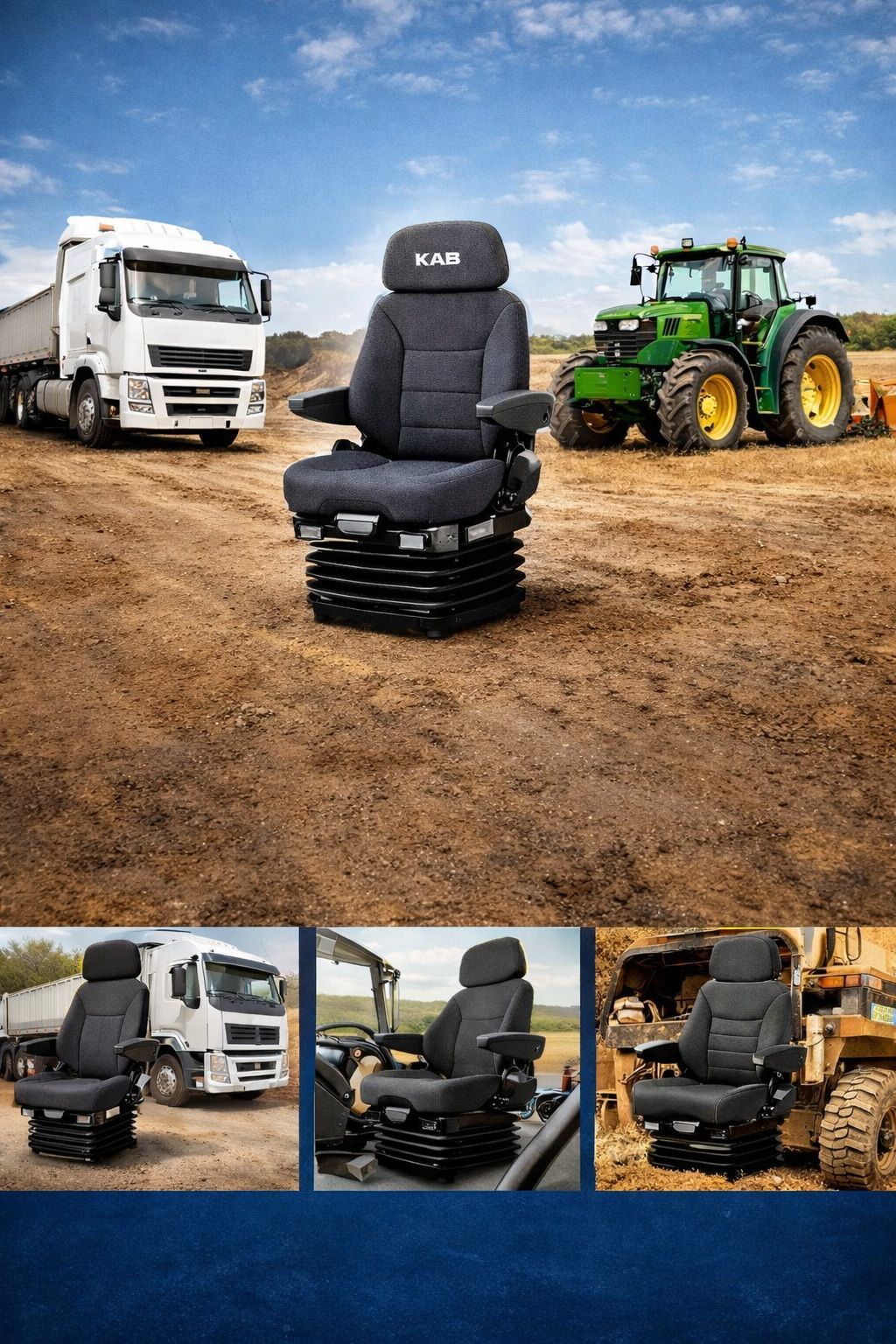
High quality truck seats are designed to address these risks through advanced ergonomics and suspension technology. Features such as adjustable lumbar support, air or mechanical suspension, durable cushioning and multiple adjustment points help maintain proper posture and absorb vibration.
Seats designed for Australian conditions also use heavy duty materials that withstand constant use without premature breakdown.
Choosing the Right Seating Solution
Selecting the correct seat involves more than matching a model to a truck. Consider the type of driving, road conditions, driver body size and shift length. Professional assessment and fitting ensure the seat delivers real benefits rather than just short term comfort.
Working with an experienced supplier like KAB Performance Seating ensures compliance, correct installation and long term performance.
Poor truck seating is a hidden cause of back injuries and fatigue across Australian worksites. Worn cushions, inadequate suspension and lack of support place constant stress on drivers’ bodies, leading to pain, reduced focus and higher injury risk.
Upgrading to properly designed, professionally fitted truck seats improves comfort, reduces fatigue and protects driver health. For fleet managers and owner drivers alike, seating is not a luxury. It is a critical safety and productivity investment.